
 English
Getting to the heart of consumer preferences
In a rapidly changing technological landscape, consumer behavior and expectations continue to evolve. For DXOMARK, understanding these shifts is essential to our ultimate goal: meaningful product evaluations leading to better-quality devices.
DXOMARK Insights aims at analyzing user preferences as well as identifying pain points and failure cases when it comes to key aspects of the user experience with a smartphone or other consumer electronics. Insights also takes into account how manufacturers address these issues with their products.
DXOMARK’s unique approach centers on pioneering advanced research, leading to methodologies that blend scientific rigor with a deep understanding of users. This expertise sets DXOMARK apart in evaluating highly specialized and intricate subjects related to camera or display. Insights also extends beyond global trends by studying local nuances to understand the needs and preferences specific to regions of the world.
DXOMARK stays attuned to evolving consumer needs, refining its protocols, and offering unparalleled insights.
Discover more about our Insights
Portrait Photography Articles

challenges
Portraits hold a special place in photography, yet capturing exceptional ones with smartphone cameras can be a challenge. One major technical challenge remains in taking a successful portrait: the capture of accurate skin tones. In this article, DXOMARK’s image quality experts immersed themselves in the subject to address this particular technical challenge.

METHODOLOGY
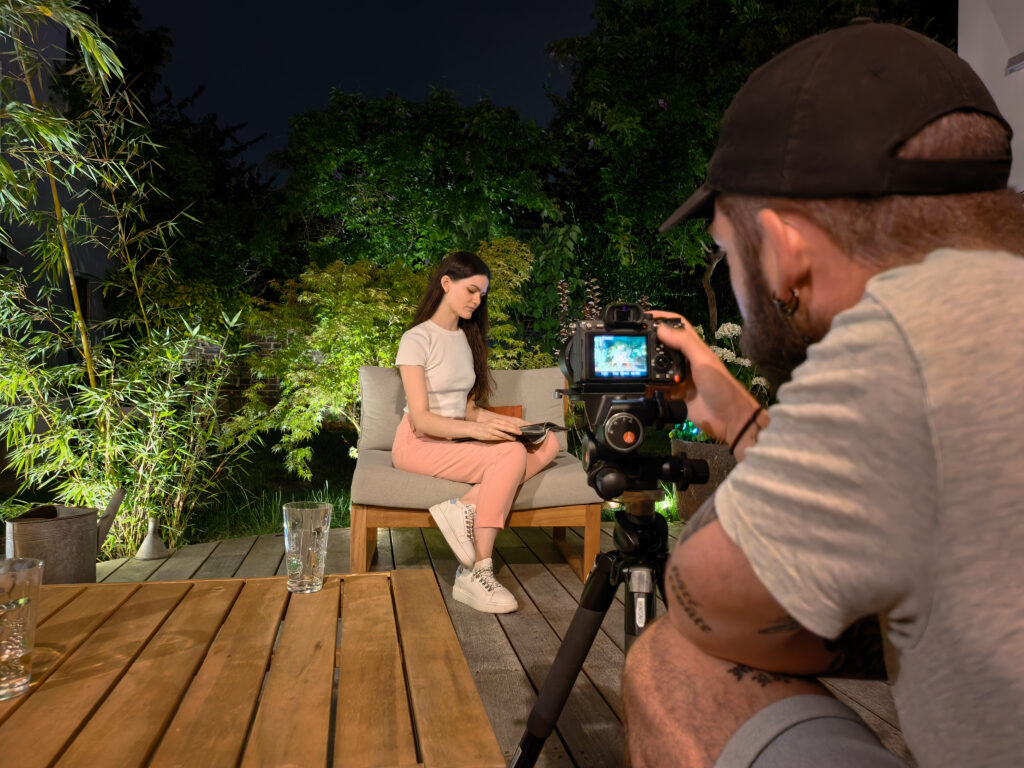
DXOMARK designed a unique methodology that combines its scientific rigor and expertise with traditional qualitative means to study user preferences regarding portraits. The methodology gathers detailed insights from the most common use cases, environments and conditions. This article presents how we conducted this study, from the shooting plan to the construction of the satisfaction index.
RESULTS
This article dives into the results of the Paris study conducted in 2023. It identifies the points of satisfaction and dissatisfaction among users regarding portrait photography. Are users generally satisfied with smartphone camera renderings? In what specific situations did users not appreciate the portraits, particularly the skin-tone renderings? Dive into the trends and main takeaways of our study.

HIGHLIGHT
Our study clearly identified a recurring pattern of user dissatisfaction with the rendering of darker skin tones in portraits. Our technical experts looked more closely at this subject to identify what’s behind these perceptions and the overall dissatisfaction as well as the strategies that can be used to improve renderings of dark skin tones.